이것도 사이비 역사냐? 식민사학 세뇌시키는게 진짜 역사뇨?
♥서유럽 서아시아 국명 및 지명이 전부 한국어! ♥ 한국어도 모르는 사람들이 왜? 국명 및 지명을 한국어로 누가 명명했나?
🎉
이탈리아→잍아니아→입아니아→ 라틴(틴라)계 영어 이두문자식 표기를 한것을 저들이 와전해 부른것!
입안이야! 그러니 아구스트→아구씨가 많이 있지요 아구창 지역 사람들!
France→브라느세 브러느세 불어느세! 불어! 말하는 입을 가리킵니다.
전부 한국어 표기 →서세동점으로 한반도로 역사가 축소돼 가스라이팅!
The Italian national name is designed in Korean and means inside the human mouth.
Il nome nazionale italiano è scritto in coreano e significa "dentro la bocca umana".
https://www.facebook.com/share/p/1BrsYjyeCE/
https://www.facebook.com/share/p/17aEfs37J3/
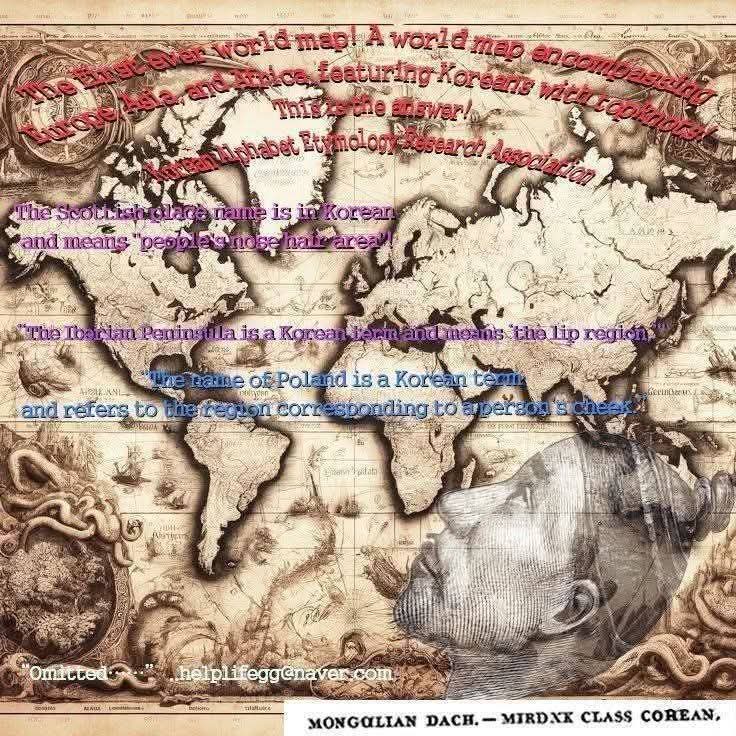
The world's first astonishing discovery! A world map of ancient Korean faces! Korean traditional topknots! European country names and place names designed in Korean.
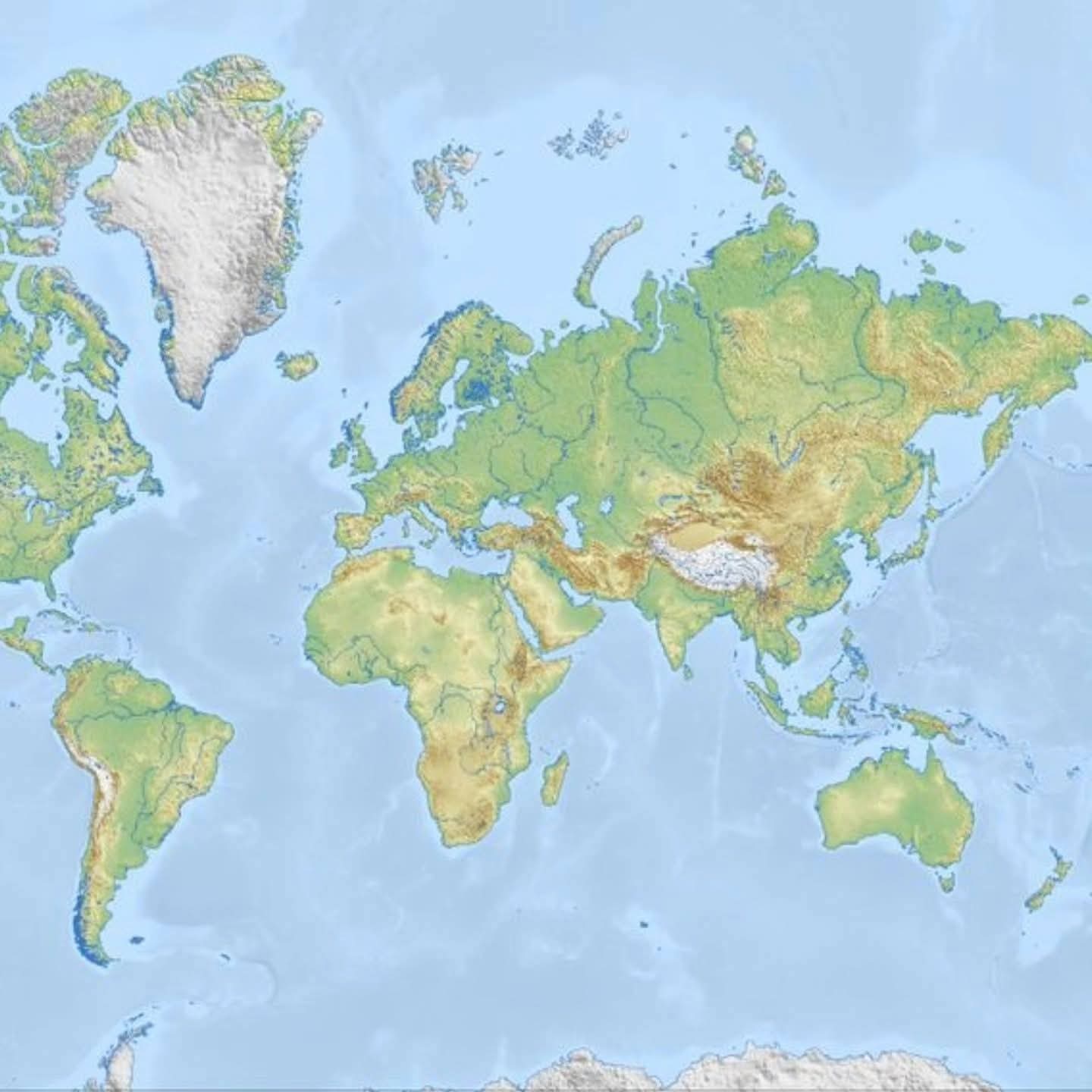
The names of each facial feature are all in Korean. For example, the Iberian Peninsula and France mean "lips" in Korean. Turkey means "chin"! Poland is the region corresponding to the cheek area... Scotland means "nose hairs"... Scandinavia means the nose... South Africa means the neck area... the Mediterranean Sea means the mouth... the Red Sea means the esophagus... the Persian Gulf means the windpipe leading to the lungs... the Himalayas and Kunlun Mountains mean the ear area... All of these are designed in Korean. According to a Korean etymology researcher, Seowa...
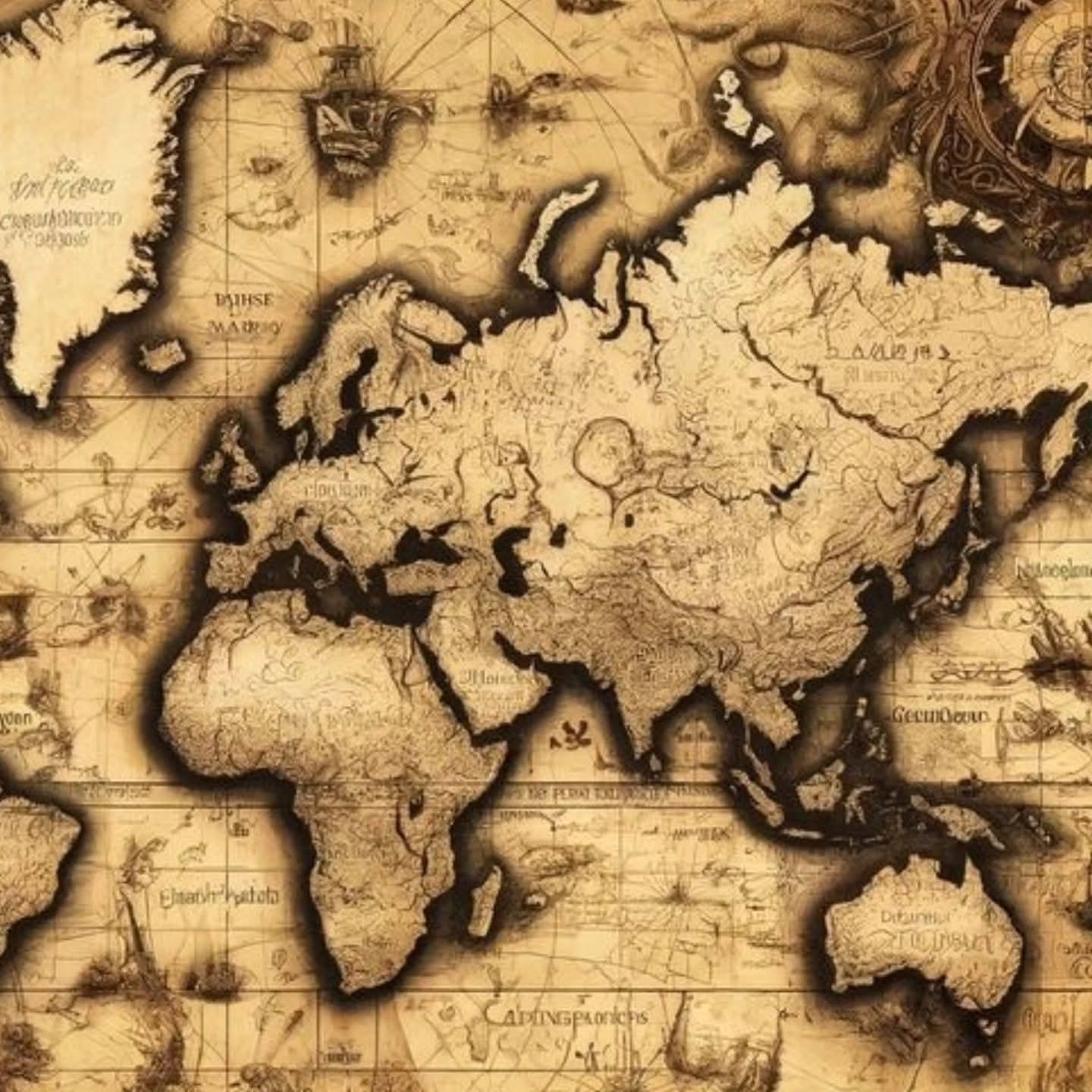
상투머리 한국인 세계지도 발견 전에 그린 한개야(판게야)지도입니다.
상투머리는 같네요^^
https://story.kakao.com/mepssi/9PUsPenRj90
🇺🇸 English Translation
“This is a Hangaea (Pangaea) map drawn before the discovery of the topknotted Korean world map.
The traditional Korean topknot hairstyle appears to be the same.^^”
🏛️ Latin Translation
“Hic est tabula Hangaea (Pangaea) depicta antequam tabula mundi Coreani cum crine in nodo inventa est.
Videtur eadem esse tonsura Coreana tradita in nodo.^^”
🇨🇳 Chinese Translation (简体中文)
“这是在发现留着发髻的韩国人世界地图之前绘制的韩盖亚(盘古大陆)地图。
韩国传统的发髻好像是一样的呢^^”
🇯🇵 Japanese Translation
“これは、上げ髷の韓国人の世界地図が発見される前に描かれたハンゲア(パンゲア)地図です。
韓国の伝統的な上げ髷は同じですね^^”
Etymology of the word museum
The etymology of the word "museum" comes from the Korean word "mu dom," meaning "grave." In other words, a museum is a large tomb that houses the relics of a tomb.
The objective truth of the map above is that the country names and place names of Eastern and Western Europe, Russia, Poland, the Iberian Peninsula, etc. are written in Korean pronunciation. Today's world map was drawn in 1570. But why? Was it designed in Korean? (I know the truth, ^^)
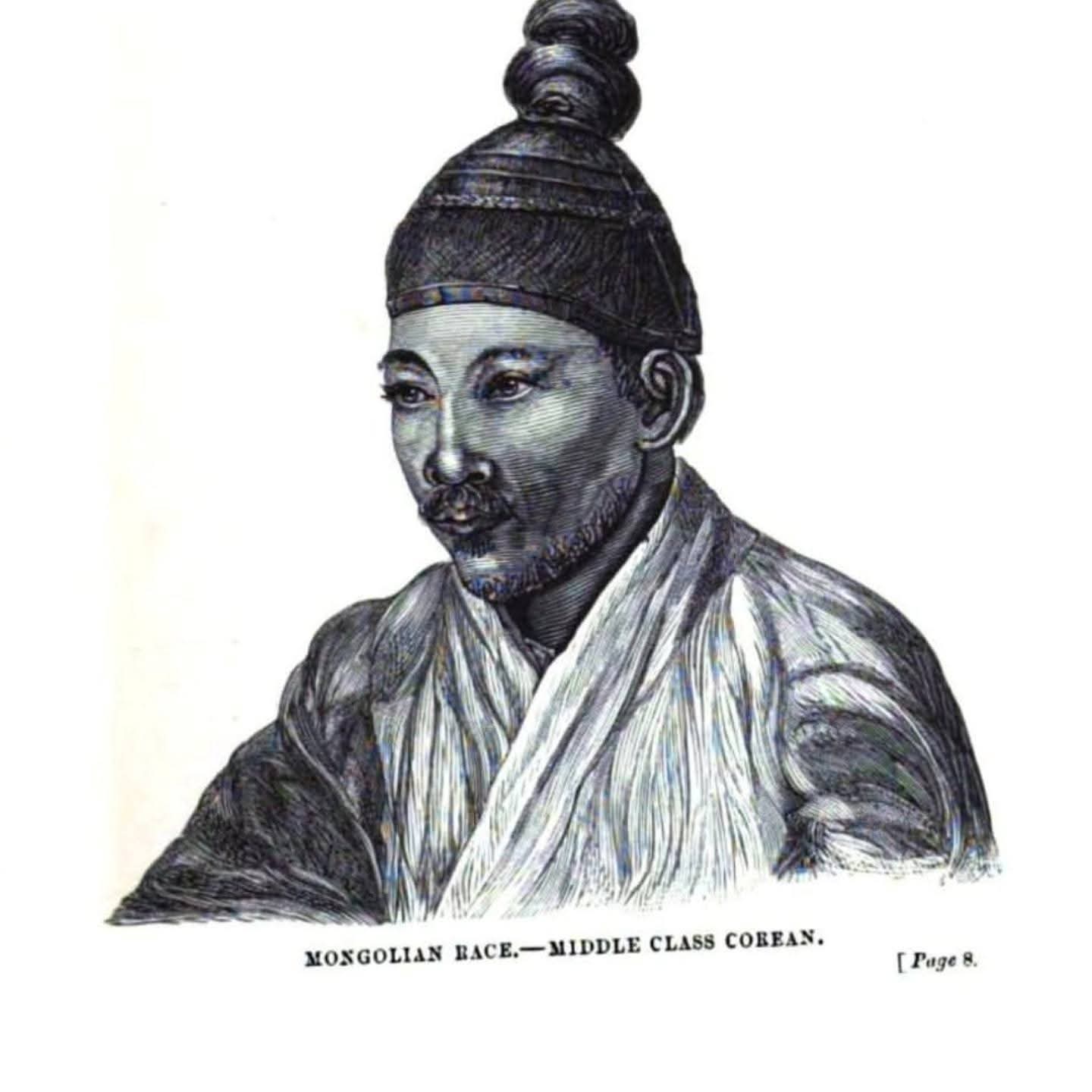
The world map, with its continents of Africa, Europe, East, and West Asia, is depicted in the shape of an ancient Korean face (with a topknot). This is evidence that it was designed by Koreans.I think we have a connection since ancient times.. I love you^^ ♡♡♡♡Sent by Seowa, a researcher of South Korean etymology
Turkey means the chin area of a person's face in Korean.
Look closely at the world map. The Iberian Peninsula means the lips area of a person's face. France also means "mouth" (to speak). Norway comes from the root word "nos" ( Nose) and "way" (road), meaning the path to the nose. Finland's "sumi" means "nose" (breathing nose) in Korean.
Poland means the area corresponding to the cheek area of a person's face, and Russia means the area corresponding to the brain area of a person's head.
The Red Sea refers to the esophagus area of a person's neck, and the Persian Gulf refers to the airway area of a person's neck, lungs, and lungs.
South Africa corresponds to the uvula area of a person's throat.
Look at the world map. The Himalayas and Kunlun Mountains correspond to the ears of a person.
The Mediterranean Sea refers to the inside of a person's mouth, and many people have the name "Agust" in this area, which is a Korean word meaning inside the mouth.
Scotland refers to the area of the sea and nose hair.
All country and place names are Korean.
The world map, with its continents of Africa, Europe, East, and West Asia, is depicted in the shape of an ancient Korean face (with a topknot). This is evidence that it was designed by Koreans.
♥터키는 한국어로 사람 얼굴의 턱 부위를 뜻합니다 턱이~예~~!
세계 지도를 자세히 보세요 나라 국명과 지명이 한국의 언어로 설계되어 있습니다.
에스파냐(나빠스에~!) 이베리아 반도는 사람 얼굴의 입술 부위를 뜻합니다 이베는 입에이며 한국어입니다.
프랑스는 또한 불어→말하다 "입"(말하다)을 의미합니다.
노르웨이는 어근 "nos"(코)와 "way"(길)에서 유래했으며, 코로 가는 길을 의미합니다.
핀란드의 또 다른 국명 "sumi"는 한국어로 "코"(숨쉬는 코)를 뜻합니다.
폴란드 의 폴은 사람 얼굴의 뺨 부위 한국어 볼을 의미합니다.
러시아는 사람 머리의 뇌 부위에 해당하는 부위를 의미합니다. →뇌시아 이두문자 표기
홍해는 사람 목의 식도 부위를, 페르시아만은 사람 기도 부분으로 허파 길목인 폐로 들어가는 길목을 의미합니다.
남아프리카 공화국은 사람 목의 편도 부위에 해당합니다. → 목지국=아프리카
히말라야 산맥과 쿤룬 산맥은 사람 귀에 해당합니다. → 구이족 고향 귀족!
지중해는 사람의 입 안을 뜻하는데, 많은 사람들이 이 지역에 "아구스트(Agust)"라는 이름을 가지고 있습니다. 이는 한국어로 입 안을 뜻합니다. →아구창 입구멍 아구!
스코틀랜드는 바다에있는 코털 지역을 의미합니다. →수 코털 랜드
모든 국가와 지명은 고대부터 한국어로 설계되어 있습니다.
이것은 논리적으로 고대시기 한국인이 이름을 만든것이다.
아프리카, 유럽, 동서아시아 대륙이 그려진 세계지도는 고대 한국인의 얼굴(상투) 모양으로 묘사되어 있습니다. 이는 한국인이 디자인했다는 증거입니다.
한국인(高麗人) 과 당신들은 고대부터 인연이 있는 것 같아요. 사랑해요^^ ♡♡♡♡한국어 어원 연구가 서와 님이 보내주셨습니다.
https://pin.it/1YgM4peF5
#worldmap #map #koreamap #history #etymologist
That's the area inside the mouth. In Korean, it's pronounced "agu." So, the people in that area are called "Agust." "~st" means "who~" (Mr.). In other words, it refers to the people who live in the area inside the mouth. It's designed in the Korean language.
<대한글씨어원연구회>
https://www.facebook.com/share/p/1DDnr7ttMA/